Small businesses often operate with limited resources, tight budgets, and a high need for efficiency. Every minute saved and every transaction simplified can make a big difference. This is where mini POS systems come in, transforming the way small businesses handle sales, inventory, and customer management.
In this case study-style article, we’ll explore how different types of small businesses, retail shops, food vendors, and service providers have leveraged mini POS systems to streamline operations, enhance customer experience, and improve overall efficiency.
Table of Contents
Understanding Mini POS Systems
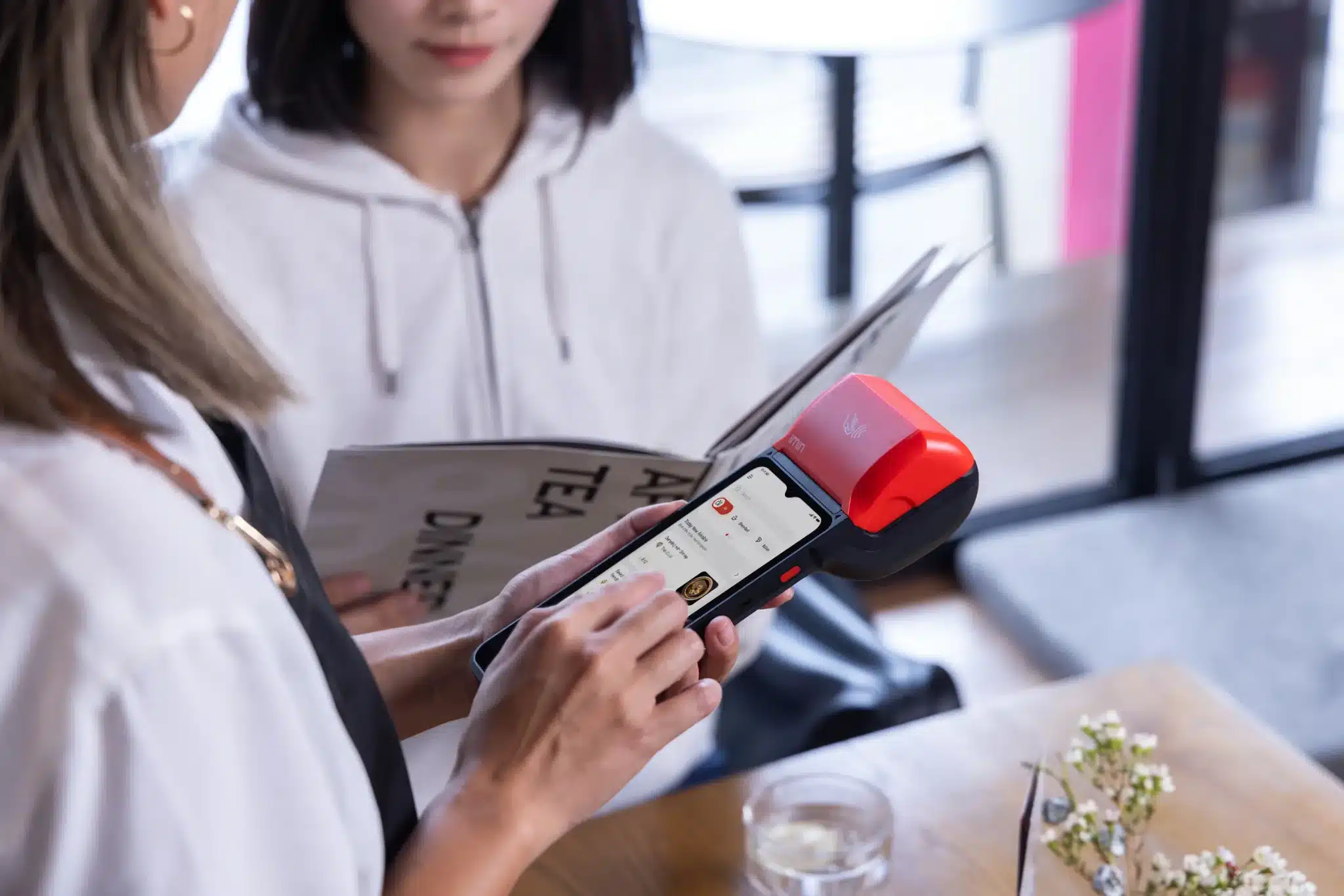
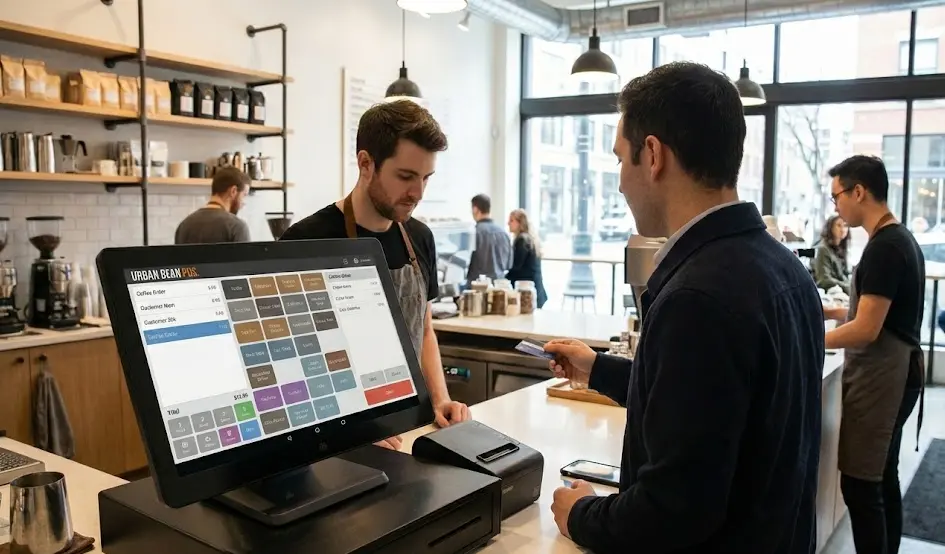
A mini POS system is a compact, portable version of a traditional point-of-sale device. Unlike bulky cash registers, mini POS systems can process card payments, mobile wallets, and sometimes even track inventory and generate sales reports. They are designed for small businesses that require mobility, affordability, and ease of use.
Key benefits include:
- Portability: Lightweight devices for mobile businesses or limited counter space
- Efficiency: Faster checkout and streamlined processes
- Data Insights: Real-time reporting for smarter decisions
- Customer Satisfaction: Modern payment options improve loyalty
Small Retail Stores: Streamlining Checkout
Consider a small boutique selling clothing and accessories. Before adopting a mini POS system, the owner relied on a traditional cash register and manual tracking. This setup led to long checkout times, occasional human errors, and time-consuming inventory counts.
After integrating a mini POS system, the store experienced several improvements:
- Faster Transactions: Customers spent less time waiting in line thanks to quick card and contactless payment processing.
- Real-Time Inventory Tracking: The owner could instantly see stock levels, reducing the risk of overselling popular items.
- Detailed Sales Reports: The system provided insights on best-selling products, peak shopping times, and customer preferences, allowing for better planning and promotions.
The result was a smoother shopping experience for customers and a more organized workflow for the staff.
Food Trucks: Mobility Meets Efficiency
Food trucks face unique challenges, including mobility, fluctuating locations, and high-volume orders during peak hours. Traditional cash handling slows service and increases the risk of errors.
With a mini POS system, food trucks can:
- Accept Multiple Payment Methods: Customers can pay with cards, mobile wallets, or QR codes, increasing convenience and sales.
- Process Orders Quickly: Lightweight handheld POS devices allow staff to take and complete orders faster, reducing wait times.
- Track Sales On-the-Go: Real-time reporting enables operators to adjust inventory, plan menus, and manage cash flow efficiently.
For example, a local food truck selling gourmet tacos reported that implementing a mini POS system cut average service time per customer from five minutes to two, allowing the business to serve more customers during peak hours.
Service Providers: Simplifying Invoices and Payments
Small service providers, such as salons, repair shops, and freelance consultants, often struggle with managing invoices, payments, and scheduling simultaneously. Manual processes can lead to missed payments, scheduling errors, and frustrated clients.
Mini POS systems offer:
- Integrated Billing: Staff can generate invoices instantly and accept payments on-site.
- Payment Flexibility: Clients can pay via card or digital wallets, even in mobile service settings.
- Appointment and Sales Tracking: Many mini POS systems integrate with scheduling software, helping service providers manage appointments while keeping track of revenue.
A mobile pet grooming business, for example, used a mini POS device to manage payments directly from clients’ driveways. The owner reported smoother operations, quicker payment collection, and better tracking of recurring services, freeing up time for more appointments.
Key Features That Drive Efficiency
Across different industries, certain features of mini POS systems consistently help small businesses operate more efficiently:
1. Speed of Transactions
Mini POS devices process card and digital payments faster than traditional cash registers. Quicker transactions lead to shorter queues and happier customers.
2. Portability and Flexibility
Businesses operating in multiple locations or with limited counter space benefit from the compact design of mini POS hardware. Portable devices ensure that payments can be accepted anywhere, whether it’s a market stall, food truck, or client’s home.
3. Inventory Management
Automated inventory tracking reduces human error, prevents stockouts, and helps with ordering decisions. Businesses can also receive alerts when stock levels are low.
4. Sales Analytics
Real-time reports provide insights into customer behavior, peak hours, and popular products or services. These insights support strategic decision-making and targeted promotions.
5. Integration with Other Systems
Many mini POS systems integrate with accounting, scheduling, and e-commerce platforms. This reduces manual work and ensures all business operations are synchronized.
Real-World Impact
Across small businesses, adopting mini POS systems has tangible benefits:
- Time Savings: Staff spend less time handling cash, issuing receipts, or manually tracking sales.
- Improved Accuracy: Automated calculations reduce errors in pricing, inventory, and reporting.
- Increased Revenue: Faster checkout and flexible payment options encourage repeat purchases and higher sales volume.
- Better Customer Experience: Modern, convenient payment methods lead to higher satisfaction and loyalty.
Even businesses with just a few employees can experience a significant productivity boost.
Challenges and Considerations
While mini POS systems are highly beneficial, small businesses should consider:
- Connectivity Requirements: Devices may require Wi-Fi or mobile data; offline payment options are useful in areas with unreliable networks.
- Battery Life: Portable devices must have sufficient battery life for a full business day.
- Initial Setup: Staff may require training to use new features efficiently.
- Security: Ensure the POS system complies with industry standards to protect customer data.
Planning for these factors ensures a smooth implementation and maximizes efficiency gains.
Conclusion
Mini POS systems are not just compact hardware, they are powerful tools that help small businesses operate smarter and faster. From retail boutiques to mobile food vendors and service providers, these devices improve transaction speed, streamline inventory management, and enhance customer experience.
By leveraging features like portability, real-time reporting, and flexible payment options, small businesses can save time, reduce errors, and increase revenue. Even without a formal support program, simply using a mini POS system can transform day-to-day operations, making businesses more efficient and competitive.
Adopting mini POS technology is a practical, cost-effective step for any small business looking to boost efficiency and enhance the customer experience.
POS Tech Direct is a leading provider of portable and mini POS solutions and hardware, helping small businesses streamline operations, improve efficiency, and deliver a modern, seamless payment experience.