Many business owners search for “how does a pos system work” as they explore ways to modernise their checkout process. Understanding how a point of sale system works has become essential for any business that handles customer payments, manages stock, or aims to improve efficiency at the checkout. The days of simple tills and manual cash handling have largely passed. In their place you will now find powerful POS solution that combine software, hardware and cloud technology to help businesses operate more smoothly, serve customers more quickly, and make smarter commercial decisions.
A POS manages the moment a customer pays for a product or service. This moment may appear straightforward to the customer, but behind the scenes the system is carrying out several important tasks. It records the sale, checks the availability of stock, updates inventory levels, communicates with a payment processor, generates a receipt and stores information that later becomes valuable for reporting, accounting and planning. You can view our list of the top POS features on the following blog post. For many businesses, the Point Of Sale terminal has become the central nervous system of day to day operations.
Key Takeaways
- POS System manage the full checkout process and update stock instantly.
- They combine practical hardware with smart software to improve speed and accuracy.
- Cloud based setups connect online and store sales for consistent data.
- POS Rentals offer a flexible and affordable way to access modern equipment.
- They provide clear insights into sales trends and customer behaviour.
What Makes Up a Point Of Sale System?
POS Hardware
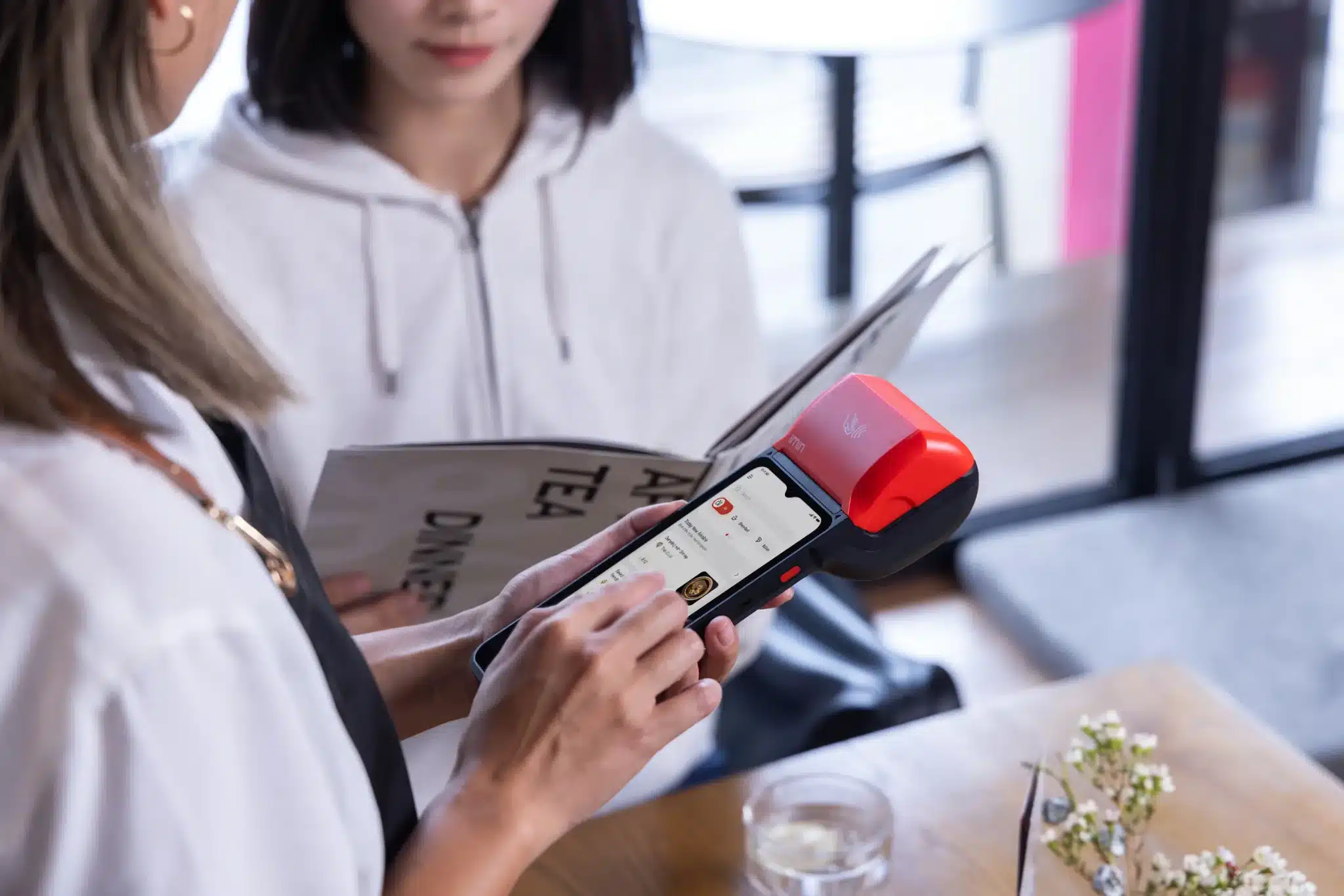
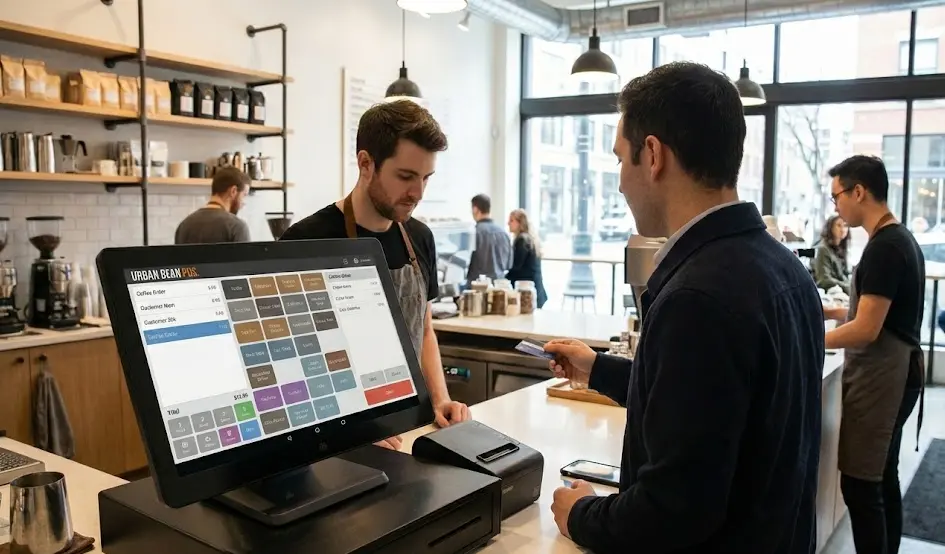
This may include a touchscreen terminal, a card reader, a receipt printer, a cash drawer and a barcode scanner. Some businesses prefer compact tablet setups, while others prefer a fixed countertop arrangement. Each device plays a part in taking payments, recording sales and serving customers smoothly.
POS Software
This is the part that brings the entire system together by linking products, prices, stock levels, sales records and payment processing. It also provides tools for product management, sales reporting, customer information and staff controls. Modern cloud based software can communicate directly with online ordering platforms, ecommerce stores and accounting systems, which means every sale from any location is recorded in one central place. This greatly reduces manual work and improves accuracy.
POS Rental Option
Many businesses choose POS Rentals because they avoid large upfront costs and gain access to the newest hardware and software. Rental plans often include maintenance and support, which gives added reassurance. This option is especially helpful for seasonal traders, market stalls, pop up shops and temporary venues that need a flexible but fully professional Point Of Sale setup.
How the Transaction Process Works With A POS System
To answer the question on “How does a pos system work” it helps to look closely at what happens during a single transaction.
To understand how a POS functions in practice, we need to picture a single transaction from start to finish. When a customer brings an item to the till, the system identifies the product either by scanning a barcode or by selecting it from the product database. The software retrieves the current price, checks for promotions, adds any taxes and calculates the total.
If the customer pays by card or mobile wallet, the system communicates with a payment service to confirm that the funds are available. This part of the process is often called authorisation. Once approved, the sale is completed and the customer receives a printed or digital receipt. With cash payments the process is simpler, but the system still records the transaction in real time and updates all relevant records.
As soon as the item is sold, the stock count is reduced. If levels fall too low, many systems trigger an automatic alert which helps the business reorder before stock runs out. This real time synchronisation is one of the features that makes modern Point Of Sale technology so effective. Without it, staff would need to check shelves manually which is time consuming and prone to errors.
How POS Systems Support Better Business Decisions
A key part of understanding how a POS system works is by recognising how much information it gathers for future analysis. Beyond the checkout, a pos system becomes a valuable source of information. Every sale, every customer visit and every payment type is stored in the database. Over time this creates detailed insight into buying behaviour, peak trading hours, best selling products and seasonal patterns. Managers can then use this information to set prices, adjust staffing levels or improve product displays.
Many systems also include customer relationship tools that record information such as purchase history or loyalty rewards. This helps businesses personalise their service and build stronger customer relationships. When combined with marketing platforms, this data can guide targeted promotions and tailored offers that reach the right people at the right time.
Why Many Businesses Prefer POS Rentals
The rise of POS Rentals is linked to the increasing cost of buying hardware outright and the rapid pace of technological change. Renting a system ensures that the equipment remains up to date and functional without burdening the business with replacement costs. It also provides access to professional support, repairs and updates which are often included in the rental agreement.
For small independent shops, new hospitality venues or mobile traders, the ability to spread cost over time is very appealing. Instead of compromising on quality, businesses can adopt a reliable and secure system from day one. As the business grows, the rental plan can usually be adjusted to include more terminals or advanced features.
The Impact of POS Systems on Customer Experience
A well designed Point Of Sale setup has a direct effect on how customers feel about a business. Faster transactions reduce queues and create a smoother experience. Secure card processing builds confidence. Accurate stock records reduce disappointment when a customer arrives to purchase an item. Integrated loyalty tools make it easy to reward repeat visitors.
All of these small improvements combine to create a stronger sense of trust and reliability. In a competitive market, the quality of the checkout experience can shape whether a customer returns. This is why many businesses upgrade to modern systems rather than relying on older equipment that lacks speed, security or flexibility.
Integrating Online and In Store Sales
One of the most valuable strengths of modern pos system is the ability to merge online and in store sales into a single inventory. Many customers now browse online before visiting a shop or place an order online for collection in store. A unified system ensures that stock levels remain accurate across all channels.
For businesses offering click and collect services or operating a hybrid retail model, this integration can prevent stock conflicts and simplify management. It also ensures that the customer receives accurate information about item availability whether they browse from home or speak to staff inside the shop.
Conclusion
A Point Of Sale System is far more than a payment tool. It is a complete business management platform that supports sales, stock control, customer service and data analysis. By understanding how the process works and how each part of the system interacts with the rest, business owners can appreciate the true value that modern Point Of Sale technology brings. Once you understand how a pos system works it becomes clear why these systems are now essential for modern businesses.
Whether purchased outright or obtained through POS Rentals, a well chosen system can transform the efficiency, accuracy and profitability of a business. It enhances the customer experience, reduces administrative workload and provides the insights needed to make confident decisions. In a retail and hospitality world that is increasingly fast paced and data driven, a modern Point Of Sale system is no longer a luxury. It is an essential part of successful business management.