What Is A Mobile POS?
A mobile POS, short for mobile point of sale, is a system that allows businesses to take payments and manage sales using a smartphone, tablet or other portable device. Instead of being fixed to a checkout counter, it travels with the business, making it easier to serve customers anywhere.
In practical terms, a mobile POS connects to software that processes card payments, tracks sales, and often manages stock levels in real time. It usually works through an app and a card reader that links to a mobile device. Many systems also include cloud-based dashboards, so business owners can monitor activity from anywhere.
For small businesses, this flexibility is often the key advantage. It removes the need for expensive, bulky hardware while still offering professional payment processing and reporting tools.
How Does A Mobile POS Compare To A Standard POS System?
A standard POS system is usually fixed in one location, often at a till or checkout counter. It relies on dedicated hardware such as a cash register, barcode scanner, receipt printer, and sometimes a separate terminal for card payments. These systems are reliable but not flexible, especially for businesses that operate beyond a single counter.
A mobile POS, on the other hand, uses portable devices like smartphones or tablets combined with compact card readers. This means sales can happen on the shop floor, at events, or even off-site. It is designed for movement and adaptability.
Both systems perform similar core functions, such as processing payments, tracking sales, and managing inventory. However, the key difference lies in mobility and cost structure. Mobile POS systems typically have lower upfront costs and are quicker to set up. They also tend to update automatically through the cloud, reducing the need for manual maintenance.
Standard POS systems may still suit larger retail environments that require heavy-duty hardware and constant high-volume transactions. Mobile POS solutions are better suited to businesses that value flexibility, speed of service, and scalability without large infrastructure investment.
The Mobile POS Ecosystem
A mobile POS is rarely a standalone tool. It usually forms part of a wider connected system that links different sales channels and devices together. This ecosystem may include handheld devices used by staff, fixed terminals in-store, online sales platforms, and back-office management software.
The key benefit of this setup is real-time synchronisation. When a sale is made on a mobile device, the system can instantly update stock levels, sales reports, and customer records across all connected platforms. This reduces the risk of human error and improves accuracy in day-to-day operations.
For example, if a product is sold at a pop-up stall using a mobile device, the inventory in the main store system is updated immediately. This helps avoid overselling and ensures stock data is always up to date.
Many modern mobile POS ecosystems also include analytics dashboards. These provide insights into sales trends, peak trading times, and customer preferences. Business owners can use this data to make informed decisions, such as when to restock or which products to promote.
Security is another important part of the ecosystem. Data is usually encrypted and stored securely in the cloud, reducing the risk of loss if a device is damaged or stolen. Regular software updates also help protect against fraud and improve system performance.
What Features Are Included In A Mobile POS Solution?
Mobile POS systems typically come with a range of features designed to support both sales and business management.
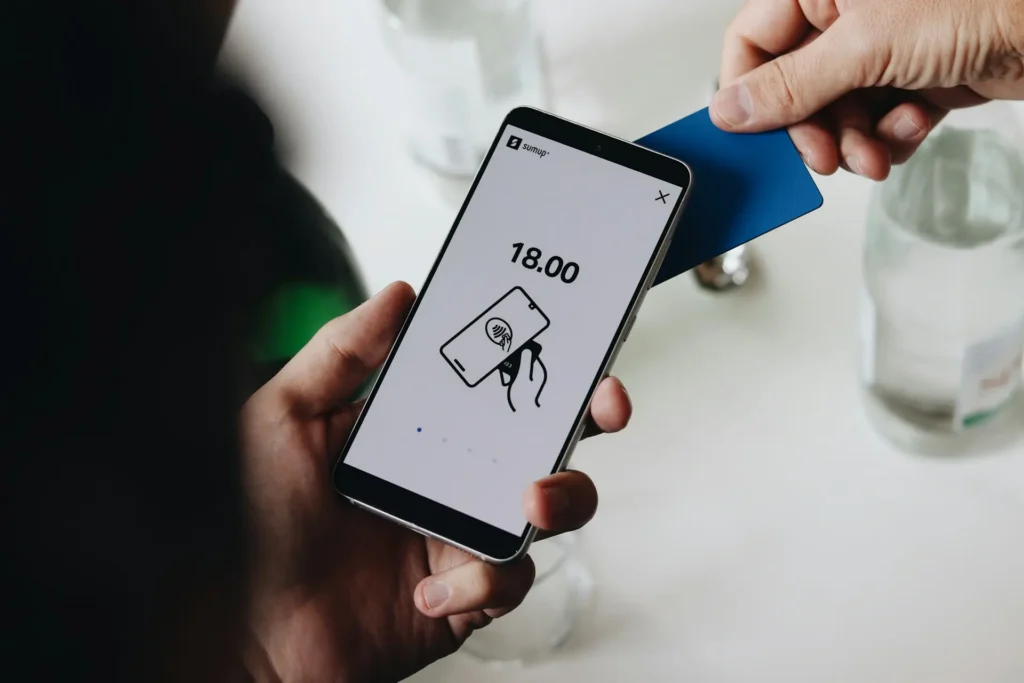
One of the main features is payment processing. This includes card payments, contactless payments, and sometimes digital wallets. Transactions are processed quickly, helping reduce queues and improve customer experience.
Inventory management is another important feature. Business owners can track stock levels in real time, receive alerts when items are running low, and manage product variations such as size or colour.
Sales reporting is also built in. These reports provide detailed information on daily takings, best-selling items, and overall performance. This helps businesses understand what is working and where improvements are needed.
Customer management tools are often included as well. These allow businesses to store customer details, track purchase history, and sometimes offer loyalty rewards. This helps build stronger customer relationships over time.
Many mobile POS systems also support offline mode. This means transactions can still be processed even without an internet connection, with data syncing once connectivity is restored.
Ease of use is another key feature. Most systems are designed with simple interfaces that require minimal training, making them suitable for small teams or even solo operators.
Industries That Require A Mobile POS Solution
Mobile POS systems are used across a wide range of industries, particularly those that rely on flexibility and customer interaction outside of a fixed checkout point.
In retail, small clothing shops and boutique stores often use mobile POS systems to serve customers directly on the shop floor. Staff can check stock, take payments, and complete sales without sending customers to a till.
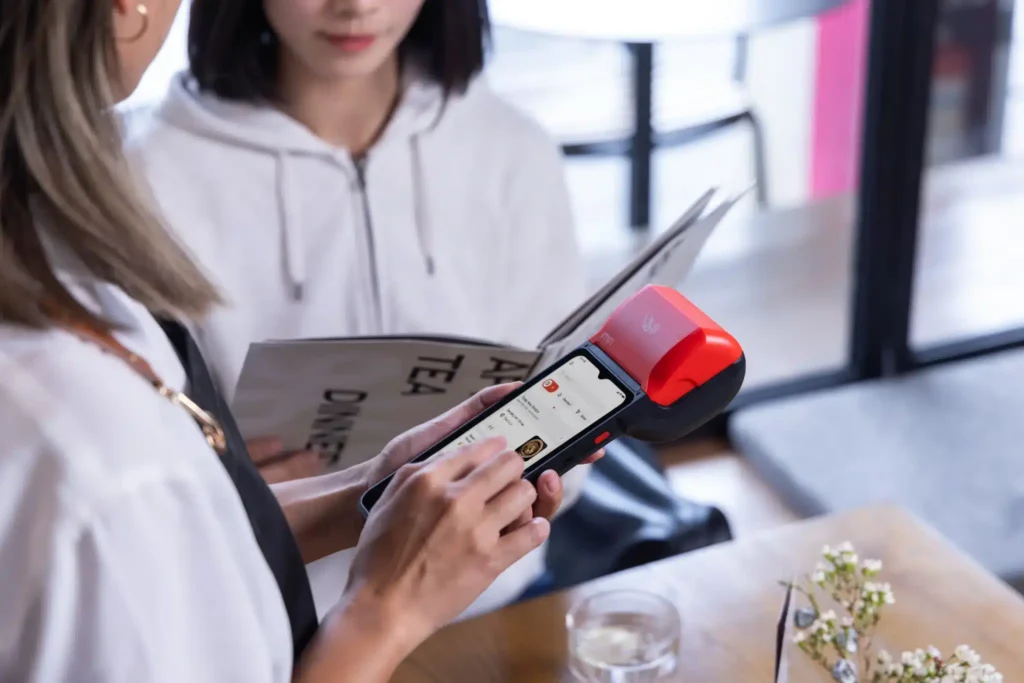
In hospitality, cafés, food trucks, and restaurants benefit greatly from mobile POS technology. Staff can take orders and process payments at the table, which improves speed and reduces waiting times. For food trucks and outdoor vendors, mobility is essential since they operate in changing locations.
At events and markets, mobile POS systems are widely used by stallholders. Whether selling handmade goods, crafts, or food products, vendors can process payments quickly without relying on cash-only transactions. This improves sales opportunities and reduces security risks linked to handling cash.
Service-based businesses also use mobile POS solutions. For example, mobile hairdressers, beauty therapists, and repair technicians can accept payments immediately after completing a service. This helps improve cash flow and reduces administrative work later.
Even delivery-based businesses benefit. Drivers can collect payments on the spot, providing a seamless experience for customers and reducing delays in payment processing.
Conclusion To Mobile Point Of Sale Solutions
Mobile point of sale systems have become an essential tool for small businesses looking to stay competitive and efficient. By offering flexibility, real-time data access, and easy payment processing, they help simplify daily operations while improving customer experience.
Unlike traditional systems, mobile POS solutions allow businesses to operate beyond a fixed location, making them ideal for modern trading environments. Whether used in retail, hospitality, or services, they support faster transactions and better decision making.
For small businesses aiming to grow without heavy investment in infrastructure, a mobile POS offers a practical and scalable solution that adapts to changing needs over time.