Opening a bottle store in South Africa can be a lucrative business venture in a thriving industry worth billions of rands annually. However, success requires careful planning, substantial capital investment, and a thorough understanding of liquor licensing regulations. This guide provides a comprehensive overview of the essential steps and requirements for launching your own bottle store.
Understanding the South African Liquor Market
The South African liquor retail industry is regulated at both national and provincial levels, with each province having its own liquor authority and specific regulations. The market encompasses everything from small independent stores to large retail chains, with success depending on factors like location, product selection, pricing strategy, and customer service.
Consumer trends show increasing interest in premium products, craft beverages, and convenient shopping experiences, creating opportunities for well-positioned bottle stores to thrive in this competitive landscape.
Step 1: Conduct Market Research and Business Planning
Before investing significant capital, conduct thorough market research to understand your target area. Analyse local demographics, income levels, competition, and drinking preferences. Visit existing bottle stores to assess their offerings, pricing, and customer traffic patterns.
Your business plan should include detailed financial projections covering startup costs (typically R500,000 to several million rands), operational expenses, and revenue forecasts. Factor in costs for licensing, premises, renovations, initial stock, equipment, staff, insurance, security, and marketing. Identify your unique value proposition—whether competing on price, selection, convenience, or service—to differentiate yourself in the market.
Step 2: Navigate the Liquor Licensing Process
Obtaining a liquor license is the most critical step in opening your bottle store. You’ll need an off-consumption license, which allows sales for consumption away from the premises.
Key Requirements:
- South African citizenship or permanent residency
- Be over 18 years old with no liquor or drug-related criminal record
- Premises compliant with zoning regulations
- Property owner consent and proper documentation
Application Process:
Submit your application to the provincial liquor authority with supporting documents, including identity documents, proof of residence, business registration, lease agreement or title deed, floor plans, police clearance certificate, and application fees.
Your application will be advertised publicly for 30 days, allowing objections from residents, schools, religious institutions, or competitors. If objections arise, you may need to attend a licensing board hearing. The entire process typically takes three to twelve months, so avoid making irreversible commitments before securing your license.
Step 3: Secure the Right Premises
Location is critical for bottle store success. Look for high-traffic areas with good visibility, adequate parking, and strong security features. Corner properties or stores on main roads typically outperform those on side streets, though premium locations come with higher costs.
Ensure your premises comply with building regulations, health and safety requirements, and are properly zoned for liquor retail. Most successful bottle stores range from 80 to 300 square meters, with space for product displays, secure storage, a point-of-sale area, and potentially cold room facilities.
Step 4: Register Your Business and Set Up Operations
Register your business with the Companies and Intellectual Property Commission (CIPC) and choose an appropriate structure—sole proprietor, private company (Pty Ltd), or close corporation. Register for tax with SARS, obtain a tax clearance certificate, and register with UIF and the Compensation Commissioner if employing staff.
Design your store layout to create logical customer flow, expose shoppers to various product categories, and maximise impulse purchases. Install comprehensive security systems, including CCTV cameras, burglar alarms, and security gates, and consider hiring security guards for high-risk areas.
Step 5: Build Supplier Relationships and Stock Products
Establish relationships with multiple liquor distributors and wholesalers to ensure competitive pricing and consistent stock availability. Negotiate favourable payment terms and consider both large distributors for mainstream products and smaller suppliers for craft and speciality items.
Stock a balanced mix across different price points and categories—beer, wine, spirits, ready-to-drink beverages, and non-alcoholic options. Monitor emerging trends like craft beer and premium spirits while maintaining an adequate stock of fast-moving mainstream products that drive volume sales.
Step 6: Hire and Train Staff
Recruit trustworthy, reliable staff with customer service skills and conduct thorough background checks. Train employees on product knowledge, responsible alcohol sales, cash handling, security protocols, and POS system operation. Ensure they understand legal requirements, particularly the prohibition on selling to minors or visibly intoxicated individuals.
Essential POS Features and Systems Required
A robust point-of-sale system is crucial for efficient bottle store operations. Modern POS systems serve as comprehensive business management tools that significantly impact profitability and efficiency.
Core POS Features Your Bottle Store Needs
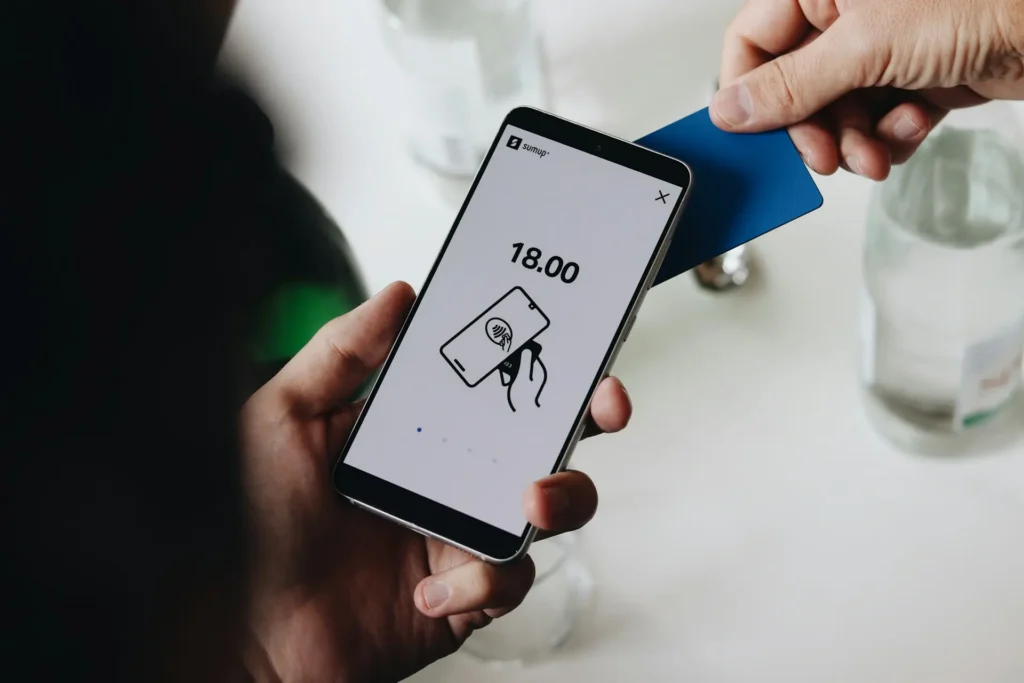
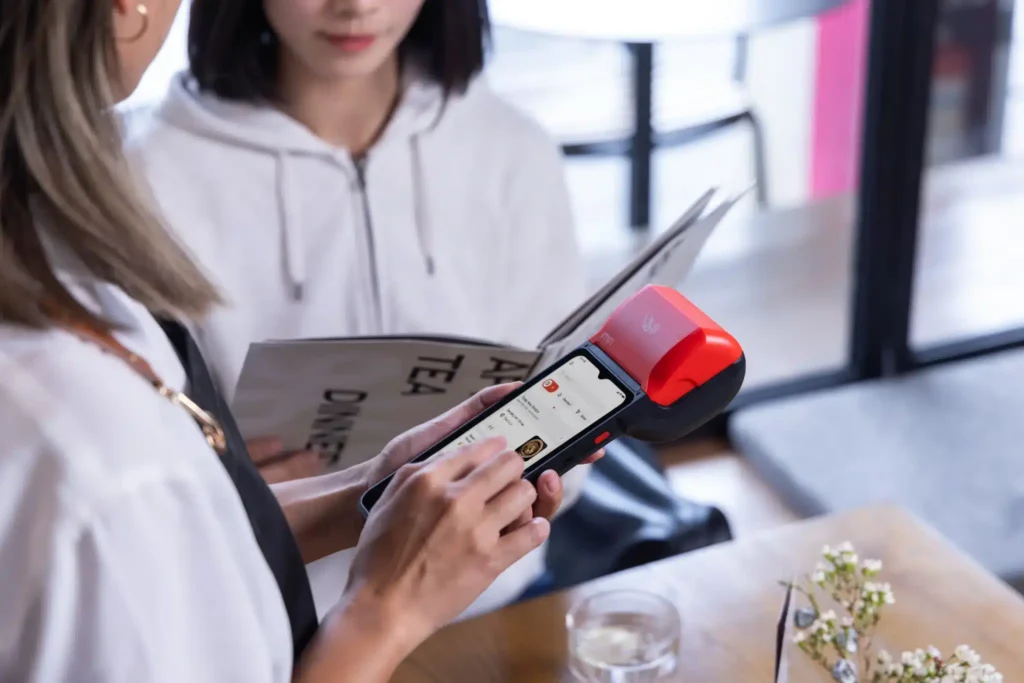
A modern point-of-sale system is the backbone of successful bottle store operations. Beyond processing transactions, the right POS system helps you manage inventory in real-time, track sales performance, prevent stock-outs, monitor employee activity, and generate crucial business reports. Features like age verification prompts, multi-payment processing, and integration with accounting software streamline your operations and ensure regulatory compliance.
For bottle stores specifically, inventory management is critical. You need to track hundreds of SKUs across different categories, manage multiple suppliers, and optimise stock levels to avoid tying up capital in slow-moving products. The right POS system automates these processes, saving you time and reducing costly errors.
Additionally, robust reporting and analytics help you understand which products drive profit, identify peak trading hours for better staff scheduling, and make data-driven decisions about promotions and pricing strategies.
Choosing the Right Solution
Whether you’re looking to purchase or rent a POS system, it’s important to select a solution designed specifically for liquor retail. POSTech Direct specialises in point-of-sale systems for bottle stores with features tailored to the unique needs of the South African liquor retail industry.
For new bottle stores managing startup costs, POS rental options provide access to professional-grade systems without the large upfront capital investment, allowing you to allocate more resources to stock and other critical startup expenses.
Marketing Your Bottle Store
Launch with a well-planned grand opening featuring special promotions, in-store tastings where permitted, and promotional giveaways. Advertise through local newspapers, community radio, social media, and neighbourhood flyers.
Build ongoing marketing through social media presence on Facebook and Instagram, a Google My Business profile for local search visibility, loyalty programs rewarding repeat customers, and competitive pricing on popular items. Exceptional customer service generates powerful word-of-mouth referrals—train staff to provide personalised recommendations and resolve complaints promptly.
Compliance and Best Practices
Display your liquor license prominently and adhere strictly to licensed trading hours. Never sell to minors or intoxicated individuals, maintain accurate records for audits, and keep up with annual license renewals. Implement responsible trading policies, conduct regular health and safety inspections, and maintain fire safety equipment.
Managing Profitability
Different product categories carry different profit margins—spirits typically offer higher margins than beer, while wine margins vary by quality. Monitor margins by category and adjust your product mix accordingly.
Control costs through strict cash handling procedures, regular stock takes, prompt investigation of discrepancies, and careful management of overheads without compromising security or customer service. Balance adequate stock levels with cash flow constraints by negotiating favourable supplier payment terms and turning over fast-moving stock quickly.
Conclusion: Building Your Bottle Store Success
Opening a bottle store in South Africa requires meticulous planning, substantial capital, patience during licensing, and commitment to excellent operations. Success differentiators include strategic location, smart product selection, competitive pricing, superior customer service, and operational efficiency powered by robust technology.
By following these essential steps, investing in quality POS systems, and maintaining strict regulatory compliance, you can build a profitable bottle store business. Stay informed about industry trends, continuously evaluate performance, adapt your strategy as needed, and build strong supplier relationships to position your bottle store for long-term success in South Africa’s dynamic liquor retail sector.