Starting a pizza shop can be an exciting business opportunity, especially when you have a strong product, a suitable location and a clear plan for attracting customers. Pizza remains popular with families, students, office workers and people looking for convenient takeaway meals, but opening a successful shop involves much more than buying a pizza oven oven and creating a menu.
Before launching, you will need to consider your startup budget (free startup budget calculator), target market, premises, equipment, suppliers, staff and daily operating costs. You will also need a recognisable brand and an effective way to process orders, manage stock and keep customers coming back.
One of the biggest decisions is whether to build your own independent pizza brand or invest in an established franchise. A franchise may provide a recognised name and operating support, but it can require a much larger investment and ongoing fees. Starting independently often gives you more flexibility and allows you to build the business around your own ideas.
This guide explains how to start a pizza shop and the main factors to consider before opening your doors.
How Much Does It Cost To Start A Pizza Shop In South Africa?
The cost of opening a pizza shop depends on the size of the business, the location, the condition of the premises and whether you are starting independently or buying a franchise.
A small independent takeaway operation may require approximately R300,000 to R800,000, while a larger shop with a full kitchen, seating area and premium location could cost R1 million or more. These figures are broad estimates and should be used as a starting point when preparing a detailed business plan.
Your startup budget may include:
- Rental deposits and advance rent
- Shop renovations and kitchen fit-outs
- Pizza ovens and preparation equipment
- Refrigeration and freezer units
- Work surfaces and storage
- Point of sale equipment
- Signage and branding
- Initial food and packaging stock
- Licences and compliance costs
- Staff recruitment and training
- Launch marketing
- Working capital for the first few months
Starting from scratch gives you more control over where your money is spent. You can begin with a smaller menu, choose equipment that suits your budget and grow the business as demand increases. You are also free to develop your own recipes, pricing, promotions and visual identity.
Franchising can be considerably more expensive. Published estimates have placed the investment required for some major pizza franchises in the multimillion-rand range, depending on the store format and location. Older published figures estimated a standard Debonairs outlet at more than R2 million, while more recent industry estimates have placed some pizza franchise investments between approximately R1.9 million and R3.5 million. Roman’s franchise estimates have also been reported at around R3 million or more. Actual costs should always be confirmed directly with the franchisor.
A franchise may provide established systems, training and brand recognition, but franchisees may also need to pay joining fees, royalties and marketing contributions.
For many new business owners, starting independently can be the more affordable and flexible option. You can test your concept on a smaller scale and invest in expansion once the business has developed a reliable customer base.
Where Is The Best Location To Open A Pizza Shop?
The right location can have a major influence on the success of your pizza shop. A busy area is useful, but high foot traffic alone does not guarantee sales. The people passing your shop should match your target market and have a reason to buy food in the area.
Shopping centres can provide strong visibility and consistent customer traffic. They may be particularly suitable for established takeaway brands, but rental costs, operating hours and lease requirements can be higher. Before signing a lease, assess the number of competing food outlets and determine whether the centre has enough demand for another pizza business.
Neighbourhood shopping centres can also be effective. They often attract local families and repeat customers, especially when the shop is conveniently located near supermarkets, pharmacies and other essential businesses.
Other locations worth considering include:
1. Busy Residential Areas
A pizza shop close to established residential neighbourhoods may benefit from regular takeaway and delivery orders. Look at the number of households within your planned delivery area and consider whether customers can easily access the shop.
2. Business Districts
Office areas can create demand during lunch hours and for corporate meetings. A pizza shop in a business district may benefit from lunchtime specials, group orders and catering packages.
3. Areas Near Schools And Colleges
Students and families can be valuable customers, particularly when you offer affordable meal deals. However, you should consider school operating times, local regulations and whether demand remains strong outside the academic calendar.
4. Events And Pop-Up Locations
Pop-up pizza shops can be a lower-risk way to test your concept before committing to permanent premises. Local markets, festivals, sports events and community gatherings may help you introduce your food to new customers.
A mobile or temporary setup can also provide useful information about popular menu items, customer spending and demand in different areas. Ensure that you have the required permissions and that the site provides suitable access to power, water and waste facilities.
Before choosing a location, visit the area at different times of the day. Observe customer activity, parking availability, nearby businesses and competitor pricing. You should also calculate whether expected sales can realistically cover rent, staff costs and other monthly expenses.
What Will I Require To Open A Pizza Shop?
Opening a pizza shop requires careful planning across several areas. The following essentials can help you prepare for a successful launch.
1. A Suitable Location
Your premises should be accessible, visible and suitable for food preparation. Consider customer parking, collection areas, delivery access, ventilation, storage and the availability of electricity and water.
Before signing a lease, confirm that the premises can legally and practically support your intended food operation. Requirements may differ between municipalities, so check the relevant local rules before committing to a property.
2. A Clear Brand Identity
Your brand should make your pizza shop easy to recognise and remember. This includes your business name, logo, colours, menu design, packaging and overall style.
Choose a name that is easy to pronounce and search for online. Your branding should also reflect your target market. A family-focused pizza shop may use a friendly and welcoming style, while a premium pizza restaurant may require a more refined identity.
Consistency is important. Customers should see the same brand across your shop signage, menus, social media profiles, website and packaging.
3. Marketing Materials
Prepare your marketing materials before opening. These may include:
- Printed menus
- Promotional flyers
- Business cards
- Loyalty cards
- Branded pizza boxes
- Social media graphics
- Opening specials
- Banners and outdoor signage
Clear, professional materials can help customers understand your menu and remember your business after their first visit.
4. Pizza Equipment And Kitchen Supplies
Your kitchen will usually require a suitable pizza oven, refrigeration, preparation tables, dough equipment, storage and cleaning supplies. The equipment you choose should match your expected order volume.
Avoid buying equipment only because it is inexpensive. Consider energy use, reliability, maintenance requirements and whether replacement parts are readily available.
5. POS Solutions And POS Rental Options
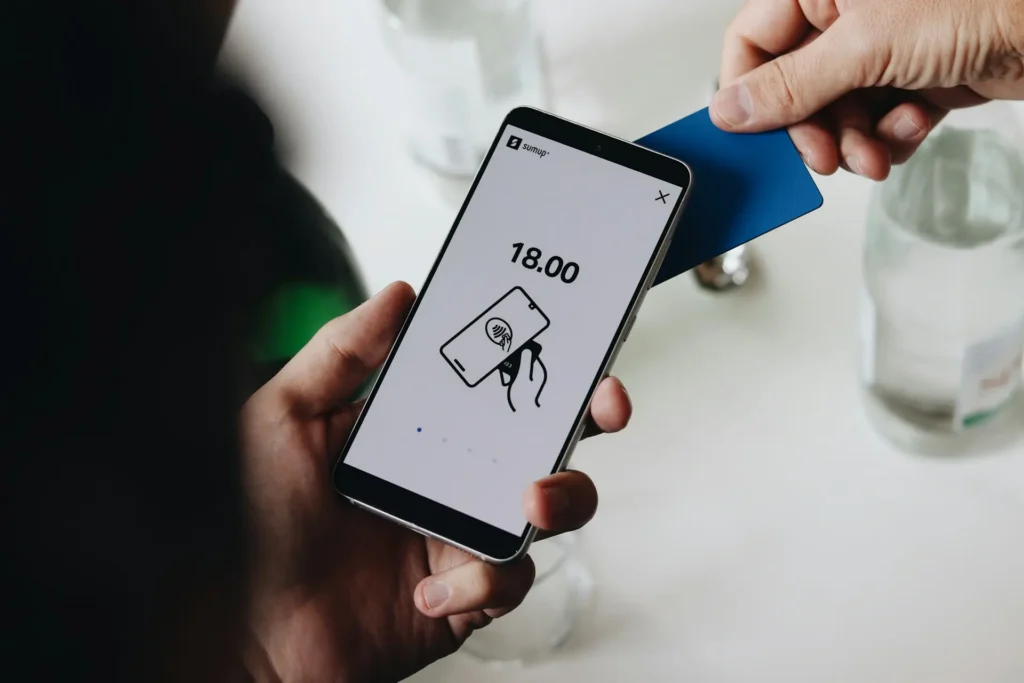
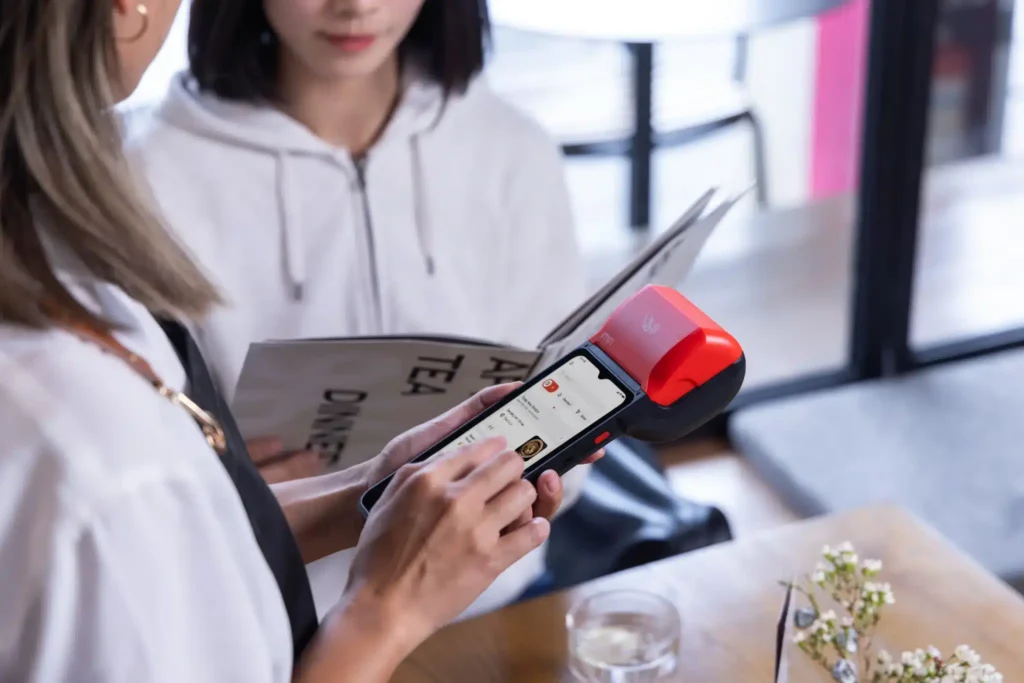
A reliable point of sale system for pizza shops can help you process orders, accept payments, manage products and monitor sales. For a pizza shop, the right POS solution may also support order tracking, kitchen printing, stock management, staff access and sales reporting.
A POS system should suit the size and needs of your business. Consider whether it can work with your existing or planned equipment, including receipt printers, barcode scanners and accounting software.
Buying a complete system may require a larger upfront investment. POS rental options can reduce the initial cost and may be useful for new pizza shops, temporary locations, pop-up events or businesses that want flexibility while testing their concept.
Before choosing a provider, ask about installation, training, technical support, maintenance and the total cost over the rental period.
6. Reliable Suppliers
Build relationships with suppliers that can provide consistent ingredients at reasonable prices. Compare quality, delivery schedules, minimum order quantities and payment terms.
Avoid relying on only one supplier for essential ingredients. Having alternative suppliers can help reduce disruptions when stock is unavailable or deliveries are delayed.
7. Staff And Operating Procedures
Your staff will influence food quality, service speed and customer experience. Provide clear training on food preparation, hygiene, customer service and order handling.
Create simple procedures for opening, closing, cleaning, stock checks and handling customer complaints. Consistent processes can make the business easier to manage as it grows.
Best Way To Market My Pizza Shop?
Marketing should begin before your opening day. Your goal is to make people aware of the business and give them a reason to try it.
Start by making your shop visible to people in the surrounding area. Large, clear signage can attract passing customers and help people remember where you are located. Your business name, logo and main offering should be easy to read from a distance.
List your pizza shop on relevant local directories and online business platforms. Keep your business name, address, telephone number, opening hours and menu information accurate. Encourage satisfied customers to leave genuine reviews, as positive feedback can help build trust.
Leaflet campaigns can also work well when they are targeted. Distribute menus and special offers in nearby residential areas, offices and businesses. Include a clear offer, such as a launch discount, family meal deal or free item with selected orders.
School and business events may provide opportunities to introduce your pizza shop to local communities. You could offer catering, food stalls, group discounts or event-specific packages.
Corporate events can be particularly valuable because one large order may generate more revenue than several individual orders. Contact nearby businesses and offer meeting packages, staff lunch deals or pre-order options.
Sponsorships can increase local visibility. Consider supporting community sports teams, school activities, charity events or neighbourhood initiatives. A small sponsorship may help your brand reach a relevant audience while building positive relationships.
Do not overlook family and friends. Ask them to share your opening information, recommend the business and provide honest feedback. Early customers can help create awareness, but long-term growth will depend on consistent food quality and good service.
Potential partnerships can also expand your reach. You may be able to work with nearby offices, accommodation providers, event organisers, schools or local businesses. A partnership should provide value to both sides and reach customers who are likely to order from you.
General Tips For Opening A Pizza Shop
- Start with a focused menu rather than offering too many products.
- Test recipes and portion sizes before opening.
- Calculate the cost of every pizza, including ingredients, packaging and labour.
- Keep enough working capital for the first few months.
- Choose a location based on customer demand, not only foot traffic.
- Research nearby competitors and identify a clear reason customers should choose you.
- Build strong relationships with reliable suppliers.
- Monitor food waste and stock levels carefully.
- Create clear staff procedures from the beginning.
- Use a POS system that provides useful sales and product reports.
- Offer convenient collection and delivery options where practical.
- Keep your menu prices competitive without reducing quality.
- Respond professionally to customer feedback.
- Review sales regularly and adjust your menu based on customer demand.
- Avoid signing long leases before completing detailed financial projections.
- Keep your branding consistent across all customer touchpoints.
Conclusion On How To Start A Pizza Shop In South Africa
Learning how to start a pizza shop involves more than developing a good recipe. You need a realistic budget, suitable location, reliable suppliers, effective branding and systems that support efficient daily operations.
Starting independently can provide greater flexibility and may require less capital than investing in a major franchise. It allows you to create your own menu, control your brand and grow at a pace that suits your business.
Take time to research your local market before making large financial commitments. Test your concept where possible, calculate your costs carefully and choose equipment that supports your expected level of demand.
With a strong product, consistent service, practical marketing and reliable business systems, your pizza shop can build a loyal customer base and create a foundation for long-term growth.